The Missing Piece in AI Product Imagery
Over the past year, GenAI has gone from an experimental tool to an everyday part of the creative workflow.
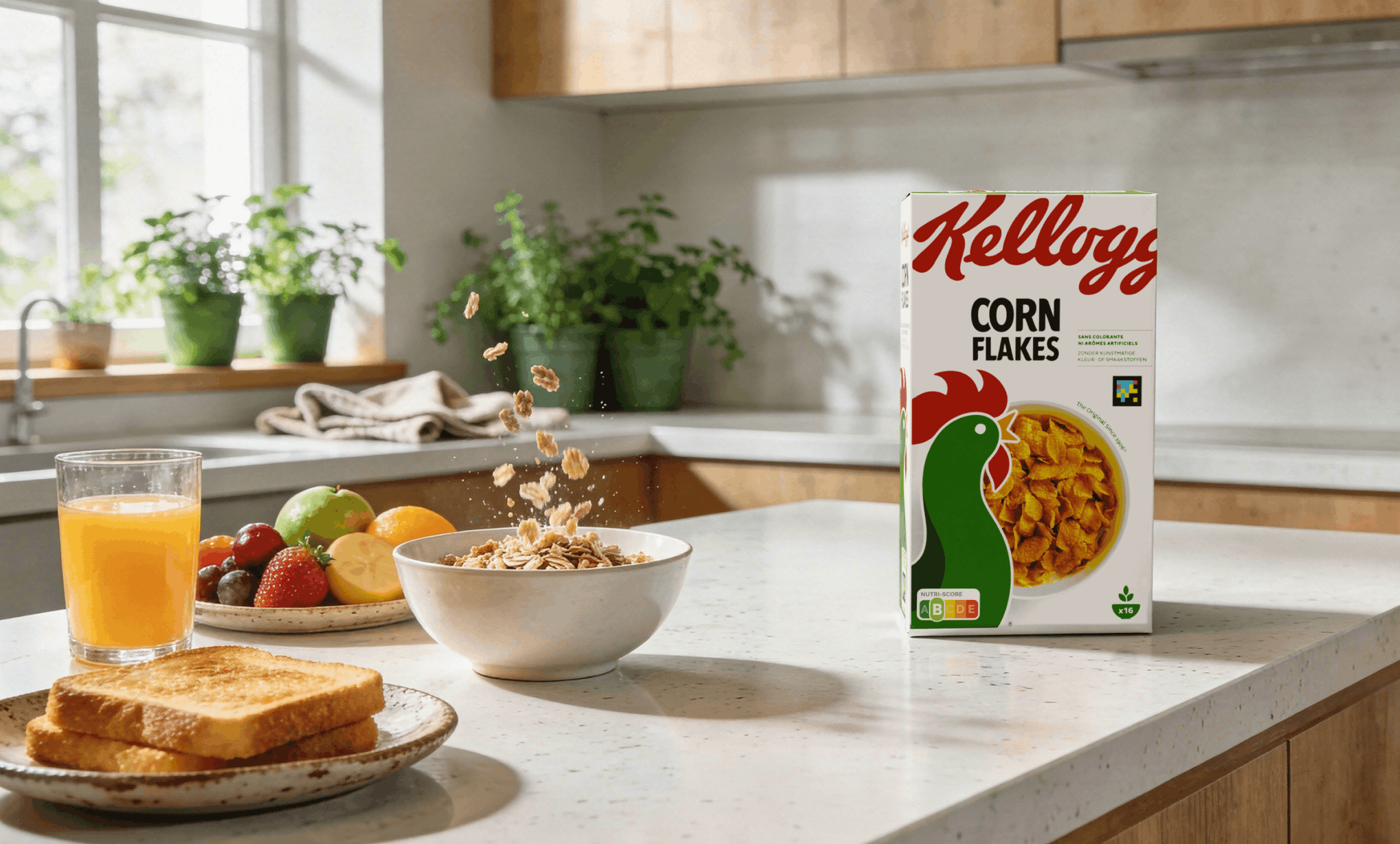
Marketing teams are using it to explore campaign concepts, create lifestyle imagery, test creative directions and respond to requests that would once have taken days or weeks using traditional production methods. Whether it's visualising a skincare product in a luxury bathroom, placing a beverage on a beach at sunset or mocking up a seasonal campaign before creative direction is approved, GenAI makes it remarkably easy to create compelling scenes.
For brands, that opens up exciting possibilities. Content can be produced earlier, campaigns can be explored faster and creative teams have far more freedom to experiment before investing in production.
But there's one area where GenAI still struggles. It isn't creating realistic environments. It's creating products that remain completely accurate and consistent every time.
That distinction matters because while a campaign's creative direction can evolve, the product itself cannot.

Products Follow Different Rules
Every campaign is built around a creative idea but not every element within the image is expected to change.
The environment can adapt to suit a season, retailer activation, regional market or target audience. Lighting, styling, color palette and composition all evolve to support the campaign while remaining true to the brand's visual identity.
The product is different.
By the time a product reaches the market, every visible detail has already been approved. The shape of the pack, the placement of the logo, the typography, materials, finishes and claims have all been through design, regulatory review and brand approval.
Those decisions aren't revisited every time a new campaign is created.
The product isn't another creative variable. It's the one constant across every touchpoint.
Whether it appears in a minimalist studio shot, a festive holiday campaign or an ecommerce PDP, customers should always be looking at exactly the same product.
That's where GenAI often struggles. It can generate a beautiful, on-brand scene while quietly reinventing the one element that was never supposed to change.
When Accuracy Gets Lost in Translation
Anyone who has experimented with GenAI for product imagery has probably experienced the same thing.
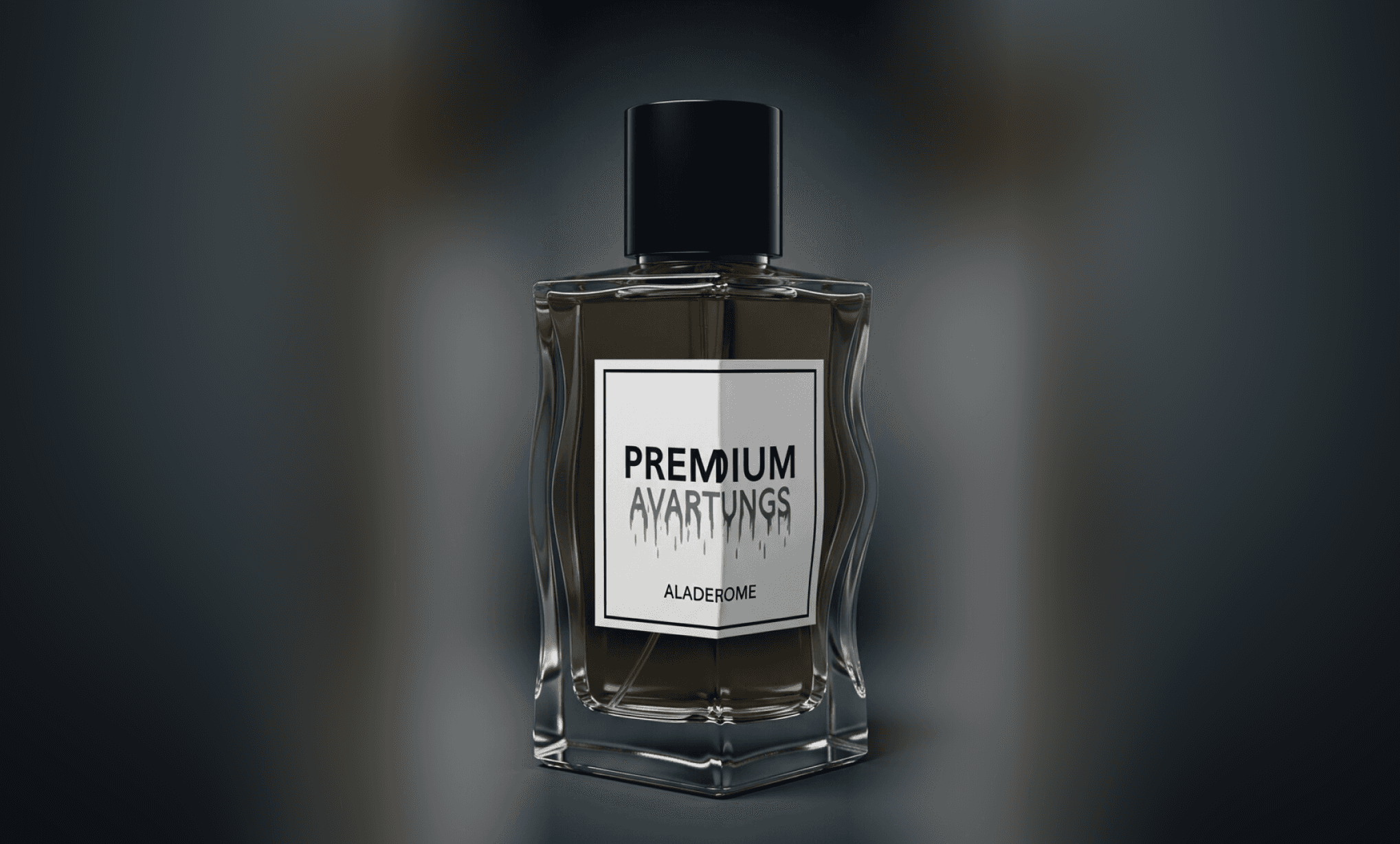
The first image looks convincing. The second is slightly different. By the third generation, the model begins to hallucinate: the label shifts, the proportions distort or the packaging changes completely.
The scene may keep improving but the product doesn't. That's because GenAI doesn't retrieve your product. It generates a new interpretation of it every time. For concept work, that's rarely a problem. For production, it's a very different story.
An eCommerce team can't publish a PDP where the packaging changes from one image to the next. A paid media campaign can't accidentally feature a different label because the model decided to reinterpret it. When the same product appears across dozens of channels, even subtle inconsistencies become impossible to ignore.
Brands don't leave room for approximation when it comes to their products. Every customer-facing image should represent the same product, with the same labels, materials, finishes and proportions, regardless of where it appears.
The Hidden Cost of AI Product Imagery
Speed is GenAI's biggest advantage, and rightly so. The question that's discussed far less is what happens when an inaccurate product image makes it through the review process.
At that point, it stops being an AI problem and becomes a brand problem.
A cap that's slightly different from the approved design. A label that's subtly altered. A finish that doesn't quite match the physical product. Individually, these changes may seem insignificant. Together, they weaken the instant recognition product imagery is designed to create.
Imagine a beverage brand launching a national summer campaign. Social media features one version of the label, retailer PDPs show another and in-store displays show the actual packaging. None of the images look obviously wrong but together they create inconsistency at every customer touchpoint. The brand has invested heavily to build recognition yet customers are seeing multiple versions of the same product.
There's also a commercial impact. Many brands invest a hefty amount driving customers to eCommerce pages through paid media, retail media and digital campaigns. Every click is designed to move someone closer to purchase. If the product shown in the creative doesn't faithfully represent what they're about to buy, that moment of recognition becomes a moment of hesitation.
At scale, the problem extends beyond a single campaign. Different markets begin using slightly different versions of the same product, retailer content no longer matches what's on shelf, and campaign assets drift over time.
None of these issues are catastrophic on their own. Together, they slowly erode the consistency that strong brands work so hard to build.
Prompting Doesn't Solve the Problem
When product accuracy starts drifting, the instinct is to write a better prompt: upload more reference images, describe the packaging in greater detail, and generate another version.
Sometimes it works. But every new image still needs to be checked. Did the label change? Is the logo still correct? Are the proportions right?
The bottleneck is no longer creating assets. It's proving that every asset is accurate.
That's not a scalable workflow. It's replacing production time with inspection time.
The Missing Half of GenAI
GenAI was never designed to solve this problem on its own and it shouldn't have to. Its strength is creative exploration: generating limitless scenes, moods and visual ideas. Expecting it to also preserve every product detail perfectly is asking it to do two fundamentally different jobs and one inevitably undermines the other.
The missing piece is a trusted Digital Twin.
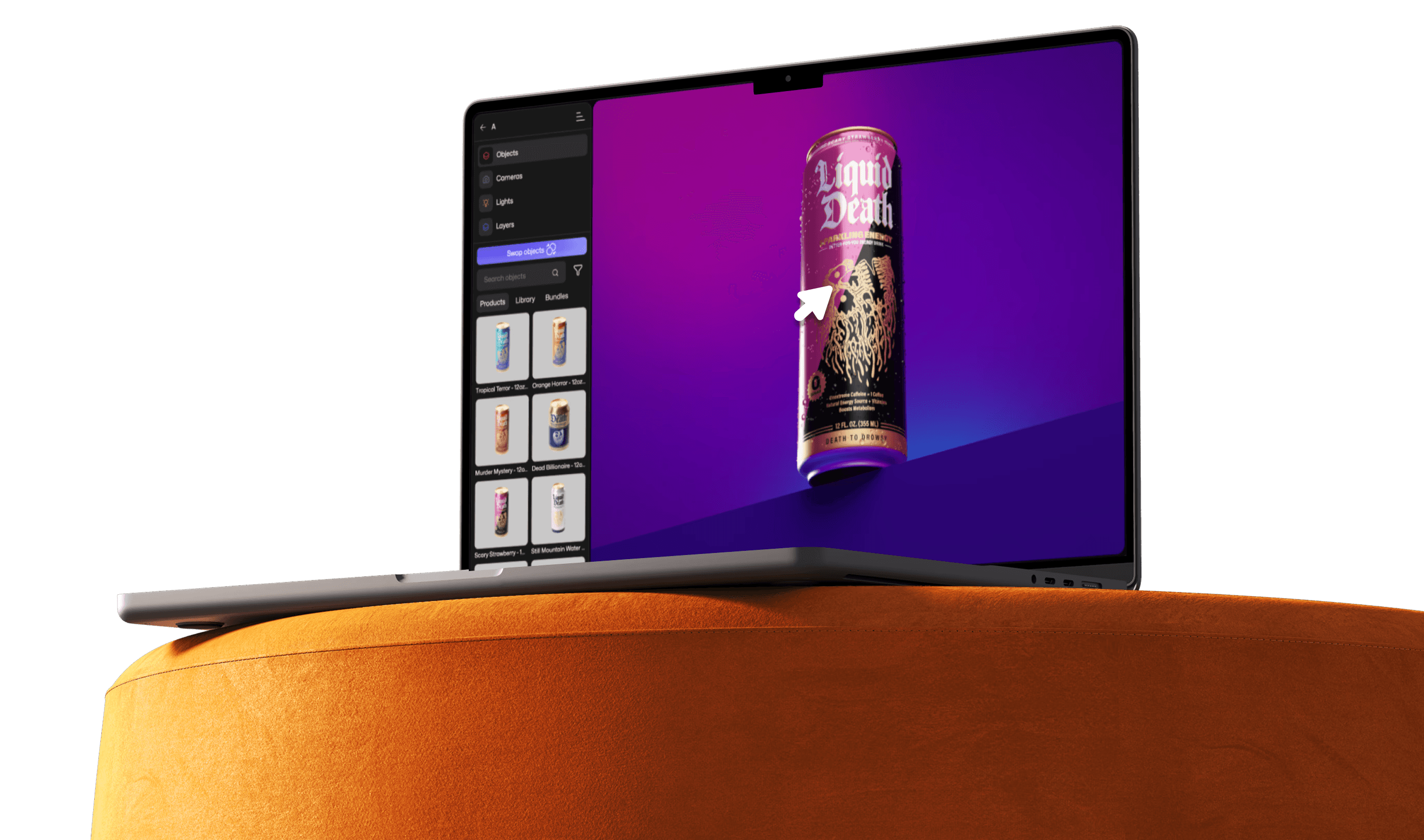
A Digital Twin is a trusted, photorealistic digital representation of a physical product that serves as the single source of truth for every visual created from it. Unlike an AI-generated interpretation, it preserves every approved detail exactly as it exists in the real world, ensuring the product remains accurate, consistent and on-brand wherever it appears.
Rather than replacing GenAI, a Digital Twin gives it a reliable foundation. It provides the one fixed point the model was never built to protect, allowing GenAI to do what it does best: create everything around the product, not recreate the product itself.
Labels, proportions, materials, finishes and branding stop being variables because they were never meant to change.
The impact becomes clear during production. Legal teams aren't rechecking labels the model may have quietly altered. Brand teams aren't reapproving packaging that was signed off months ago. Creative reviews shift away from verifying the product and back to evaluating the idea.
The product becomes a constant. The creativity doesn't.
A Better Way to Scale GenAI
As brands move from experimenting with GenAI to embedding it within everyday marketing workflows, the challenge is no longer discovering what AI can create. It's understanding where AI should, and shouldn't, be responsible.
For product imagery, the answer isn't replacing one approach with another. It's combining them. GenAI creates the world and a Digital Twin preserves the product. Each does the job it was designed to do.
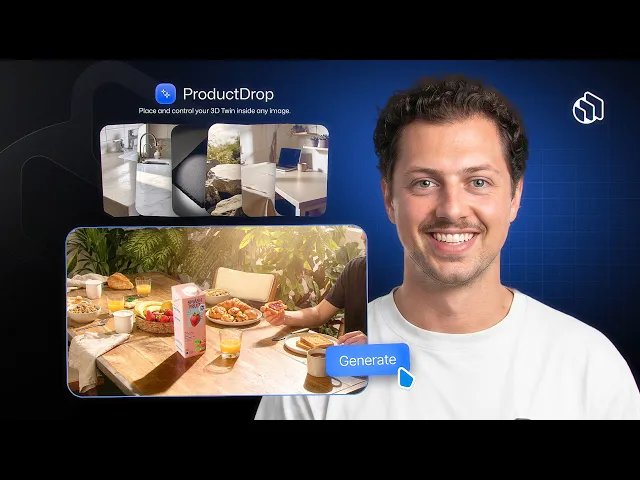
This thinking sits at the heart of Omi ProductDrop.
Rather than asking GenAI to recreate the product for every new image, ProductDrop places a Digital Twin directly into any AI-generated scene. The product can be positioned, rotated and naturally integrated into the composition without ever being regenerated. Moving from a summer campaign to a holiday activation, from a studio image to a lifestyle scene or from eCommerce to large-format print no longer requires recreating the product itself because it was never reinvented in the first place.
The goal was never simply to generate more images. It was to create images brands can actually use.