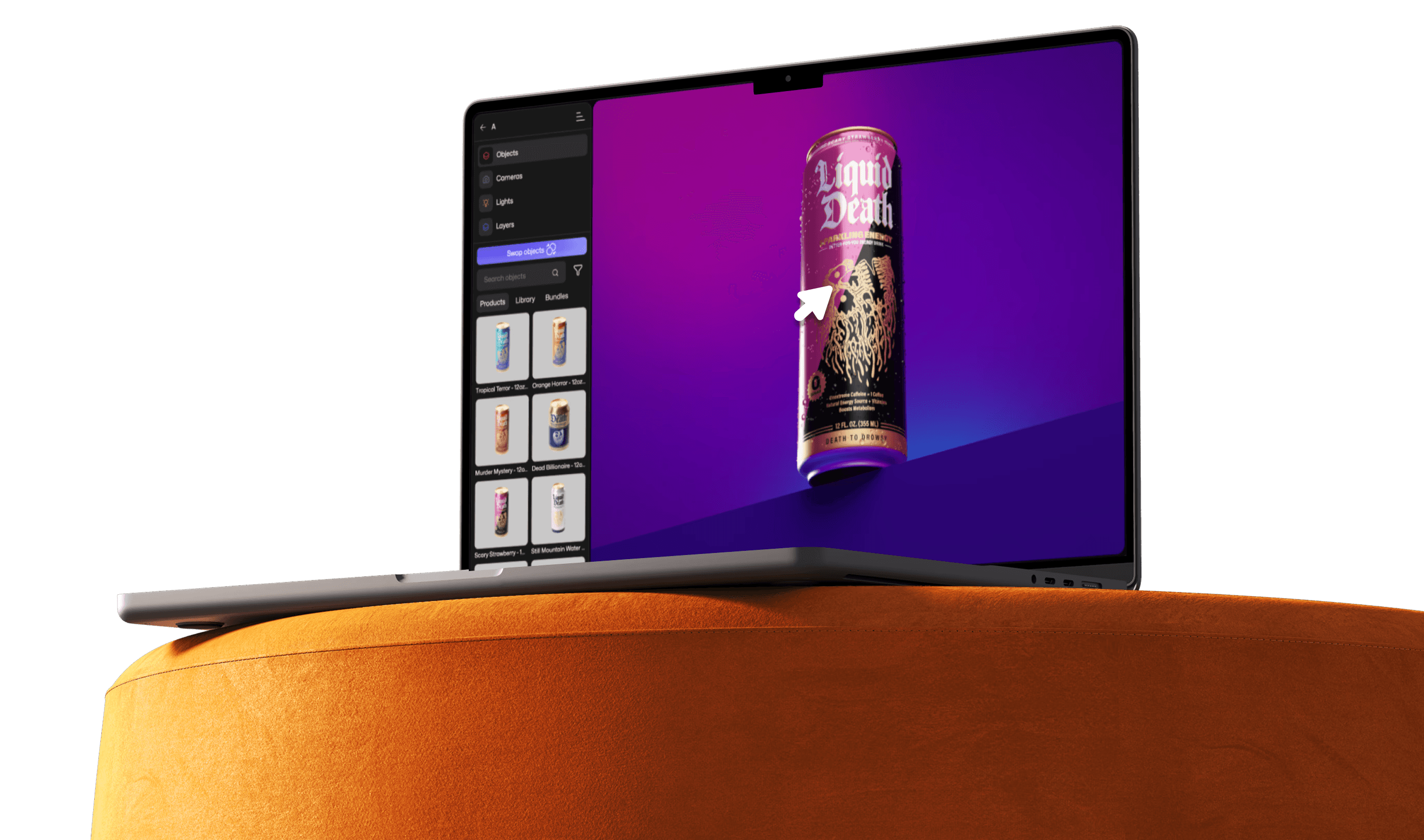
Why Electronics Brands Are Rebuilding Visual Production
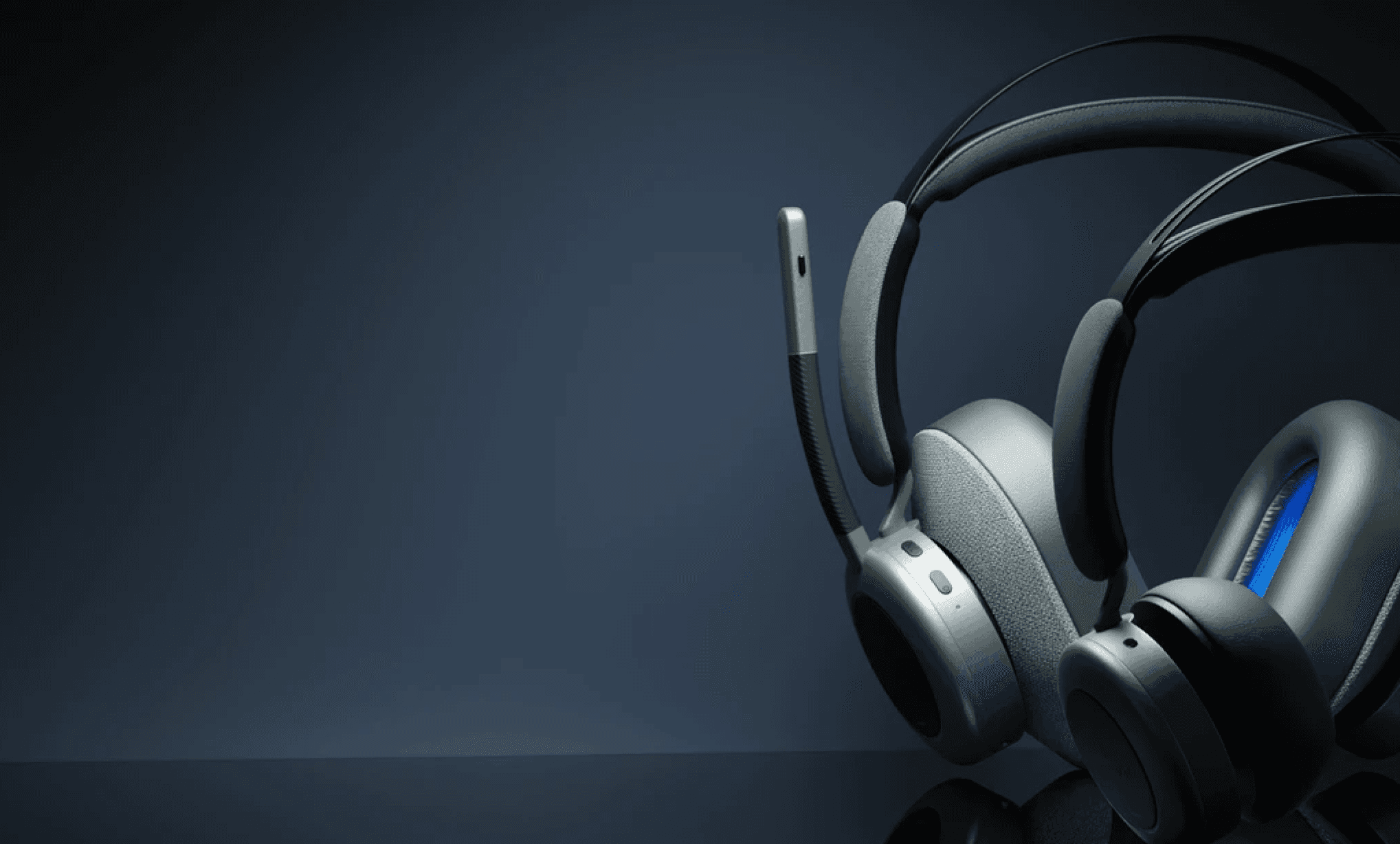
The pressure is no longer just to create premium visuals, it’s to scale them consistently under increasingly aggressive launch timelines.
Consumer electronics brands have always operated with extremely high visual standards.
But over the past few years, something changed. The complexity surrounding product launches has increased dramatically.
A single launch now needs to simultaneously feed:
PDPs
paid media
retailer assets
social campaigns
launch videos
feature explainers
motion content
Across multiple channels, markets, and timelines - often before the final product is even physically available.
Unlike other industries, electronics brands can’t compromise on precision when timelines tighten.
In consumer tech, details communicate product quality.
Which is why many brands are starting to realize that the traditional way of producing visuals is becoming increasingly difficult to scale.
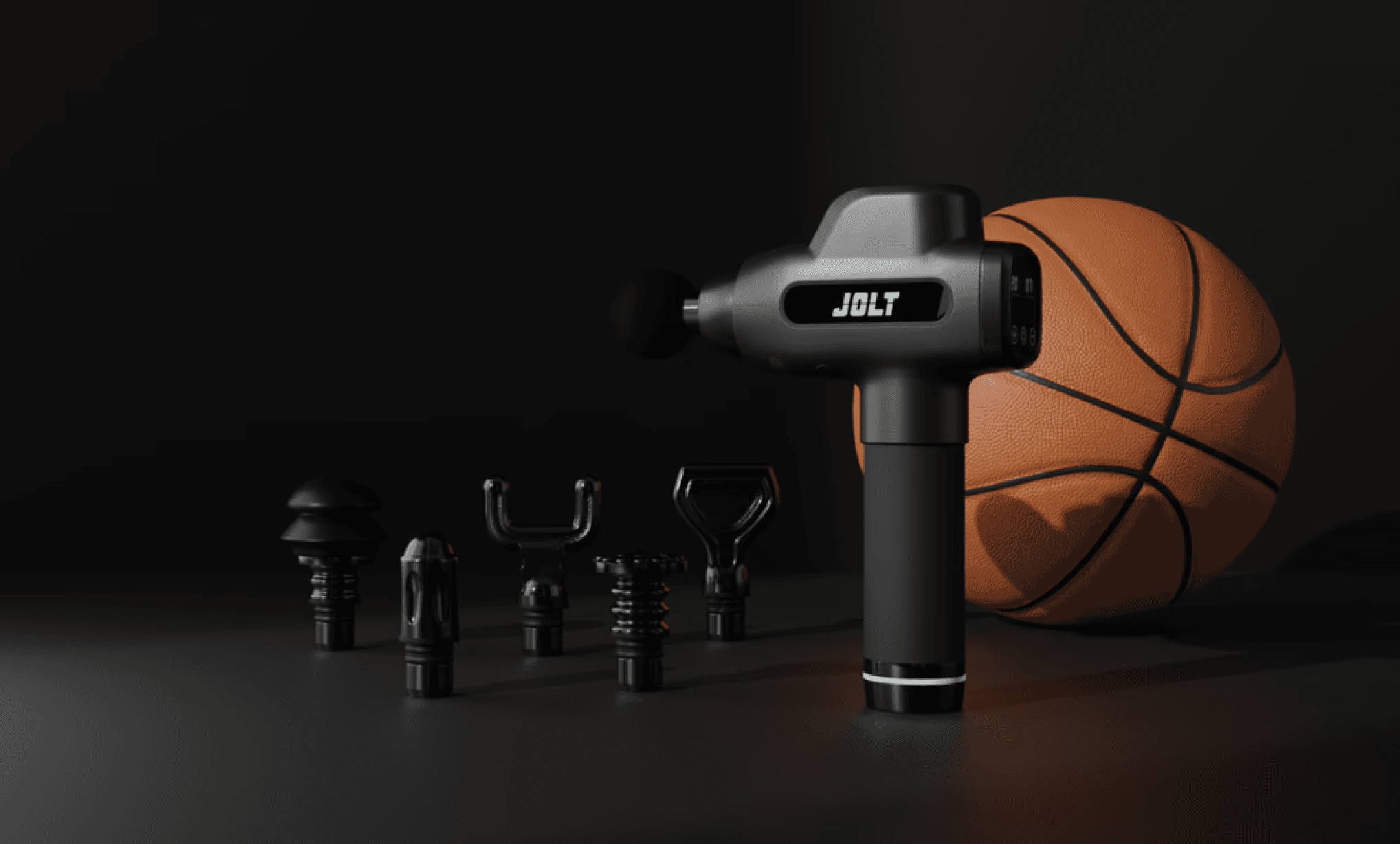
Electronics brands are facing a very different production challenge than other industries
Unlike many verticals entering AI or CGI workflows for the first time, consumer tech brands are already highly familiar with 3D production environments.
Internal teams and partner studios often already work with Blender, Cinema4D, Unreal, Octane, CAD files, render farms, and sophisticated CGI pipelines. These teams already understand the realities of rendering pipelines, production constraints, and technical precision.
The debate is no longer whether 3D can replace photography.
It’s whether traditional production systems can keep up with the speed, scale, and complexity of modern product launches.
Because electronics products are among the most unforgiving products to represent visually.
A metallic edge rendered incorrectly immediately cheapens perceived quality. A reflection that behaves unnaturally becomes visible instantly. Glass, LEDs, glossy black finishes, cables, industrial textures, and microscopic details expose imperfections immediately.
In this category, premium is communicated through precision.
And maintaining that level of precision consistently across campaigns, PDPs, motion, retailer formats, and localized assets becomes extraordinarily difficult when production pipelines are fragmented.

Modern electronics launches demand far more than static visuals
Today’s electronics campaigns extend far beyond traditional packshots.
Brands increasingly need:
reveal videos
feature animations
product rotations
social cutdowns
PDP motion
technical explainers
And all of it needs to feel perfectly aligned visually.
That’s particularly challenging in electronics because the products themselves are difficult to render correctly.
Reflective materials, brushed metals, glossy surfaces, glass, cables, LEDs, industrial textures, and microscopic details require an extremely high level of rendering precision.
The more premium the product positioning, the less margin for inconsistency exists.
Which explains why production timelines in consumer tech often become incredibly heavy.
Video has become one of the biggest production pressure points
For many electronics brands, motion has become just as important as static imagery.
Consumers want to see how products behave, move, interact with light, and function in real-world environments before buying them.
But traditional production workflows were rarely designed to scale this volume of motion content efficiently.
Every additional deliverable introduces new rendering, revision, and production dependencies. What starts as a straightforward campaign can quickly become operationally difficult to sustain.

Photoshoots create production bottlenecks
Electronics products are notoriously complex to shoot correctly.
Reflective metals, black surfaces, chrome finishes, and microscopic industrial details require highly controlled production environments and extensive post-production work to achieve premium-quality results.
Photoshoots are not only expensive, they are difficult to adapt once launches accelerate.
The moment a brand needs another format, another retailer adaptation, another motion asset, or another localization, production needs to start from scratch.
But modern electronics launches no longer operate at photoshoot speed. Brands increasingly need assets before inventory exists, before final production is completed, and before products ship globally.
That shift is fundamentally changing how visual production is structured.
Launch timelines are becoming increasingly difficult to sustain
One of the biggest pressures facing electronics brands today is speed.
Teams are expected to launch globally faster than ever while simultaneously producing multi-format assets and often, all of it is needed before the final product is even physically available.
That creates enormous pressure across teams because traditional workflows were never designed for this level of launch velocity.
Physical shoots take time to organize, rendering pipelines become overloaded, and localization creates additional revision cycles.
What used to be a linear production cycle has become a constant parallel production environment.
And as launches accelerate, delays in content production increasingly become delays in go-to-market execution itself.

Maintaining perfect consistency at scale is challenging
Electronics brands operate with some of the strictest visual standards in consumer industries.
The smallest inconsistency becomes immediately visible. In consumer tech, premium perception is built through precision.
The challenge is that maintaining this level of consistency across channels becomes extremely difficult when assets are produced across fragmented workflows, multiple teams, external studios, and disconnected production systems.
The more channels and formats brands need to support, the harder consistency becomes to maintain manually.
Which is exactly why more electronics brands are shifting toward centralized Digital Twin-based production models capable of scaling high-fidelity product representation across every touchpoint.

Why electronics brands are shifting toward Digital Twin-based production
The brands moving fastest right now are fundamentally changing the structure of production itself.
Instead of treating 3D assets as isolated deliverables, they are building pixel-perfect Digital Twins that become the master product foundation for every downstream asset.
That Digital Twin can then power:
campaign visuals
packshots
motion assets
retailer formats
paid ads & social
localization variants
feature animations
marketplace deliverables
launch videos
all from the same governed product source.
This changes production from a repetitive recreation process into a scalable system.
The value is not simply visual quality. Premium electronics brands already expect that.
The real value is the ability to scale content production without multiplying operational complexity.
The future of electronics production is operational scalability
The brands moving fastest today are the ones removing friction from the production system itself.
Because modern electronics launches demand a level of speed, consistency, and adaptability that traditional workflows increasingly struggle to support.
This is exactly where solutions like Omi are starting to resonate with consumer tech and electronics brands.
Not as another “AI image tool,” but as a way to build a pixel-perfect Digital Twin that can power every downstream visual workflow, from launch campaigns and PDPs to motion, retailer assets, and localization at scale.
Because in electronics, scaling content is no longer the difficult part. Scaling precision is.