Why AI Product Imagery Needs Pixel-Perfect 3D Digital Twins
GenAI Breaks on Products
GenAI works extremely well for backgrounds, concepts, and mood. It fails when the subject is a real product.
Because product imagery has constraints GenAI cannot reliably respect:
proportions must be exact
labels must be readable and compliant
materials must behave correctly (glass, liquid, reflections)
variants must stay consistent across SKUs and markets
Without a precise reference, GenAI outputs drift:
logos slightly distorted
labels warped or misaligned
packaging details inconsistent
colors and finishes approximated
These are not cosmetic issues. They make the asset unusable for:
eCommerce
retail
marketplaces
regulated environments
So what happens in practice?
Teams generate with GenAI… then fix everything manually:
image → edit → correct → re-export → repeat
The more SKUs, variants, and markets you have, the worse it gets.
GenAI scales output. It also scales inconsistency. That’s where it breaks.
The Missing Layer
This is now being acknowledged at the highest level. To generate product visuals reliably, AI needs: a pixel-perfect 3D Digital Twin.
Not an approximation. Not a “good enough” render.
A precise, controlled, digital version of the product.
Because GenAI generates pixels. It doesn’t understand products.
Without a product layer, workflows look like this:
image → edit → fix → re-export → repeat
Manual. Fragmented. Unscalable.
Especially when every product exists in:
dozens of variants
multiple markets
constant updates
What a Digital Twin Actually Is
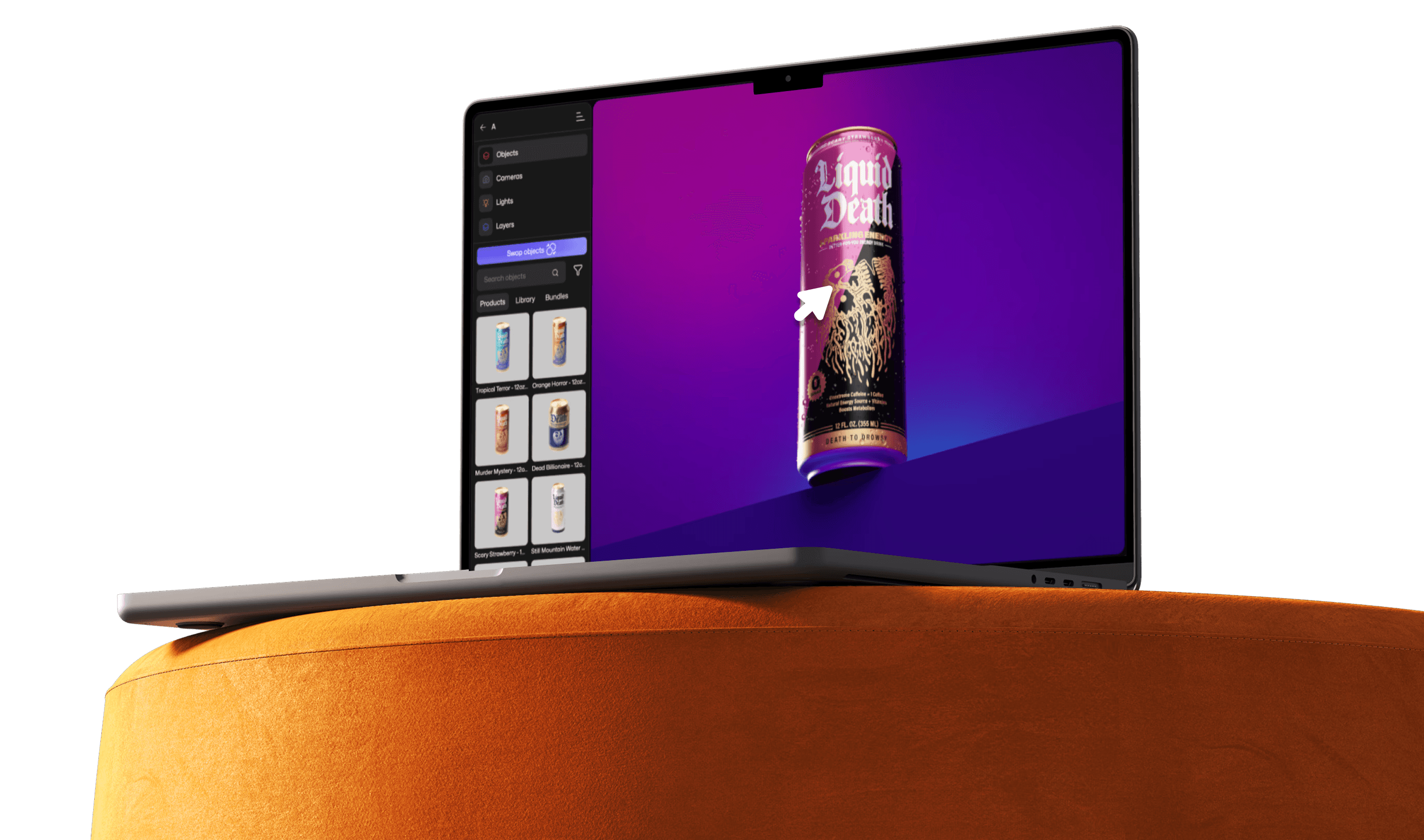
A Digital Twin is not a 3D asset. It is a product object data.
A pixel-perfect, photorealistic representation of:
geometry
materials
textures
labels
Variants
Governed. Versioned. Compliant. Reusable. Once it exists, everything changes.
The Model Shift
From: prompt → image → try to add the product → fix → re-touch → re-prompt → repeat
To: product → digital twin → pixel-perfect visuals
This is not a tooling change. It’s an infrastructure shift.
Instead of producing images one by one, brands:
capture the product once
manage it centrally
generate all visuals from it
eCommerce, CRM, social, retail, marketplaces… all from the same source.
Where GenAI Actually Fits
GenAI doesn’t replace this layer. It depends on it.
Once a Digital Twin exists, GenAI becomes dramatically more powerful:
generate environments
create variations
adapt formats
scale content
But the product itself: never drifts
AI handles scale. The Digital Twin guarantees accuracy.
Why This Matters Now
The industry is shifting from: “what AI can generate” to: “what AI generates from”
Because product imagery has constraints:
compliance
brand consistency
customer trust
Without a reliable reference, generative outputs drift. Subtle distortions that make assets unusable for commerce.
A Digital Twin anchors AI in reality.
This Is Already Happening
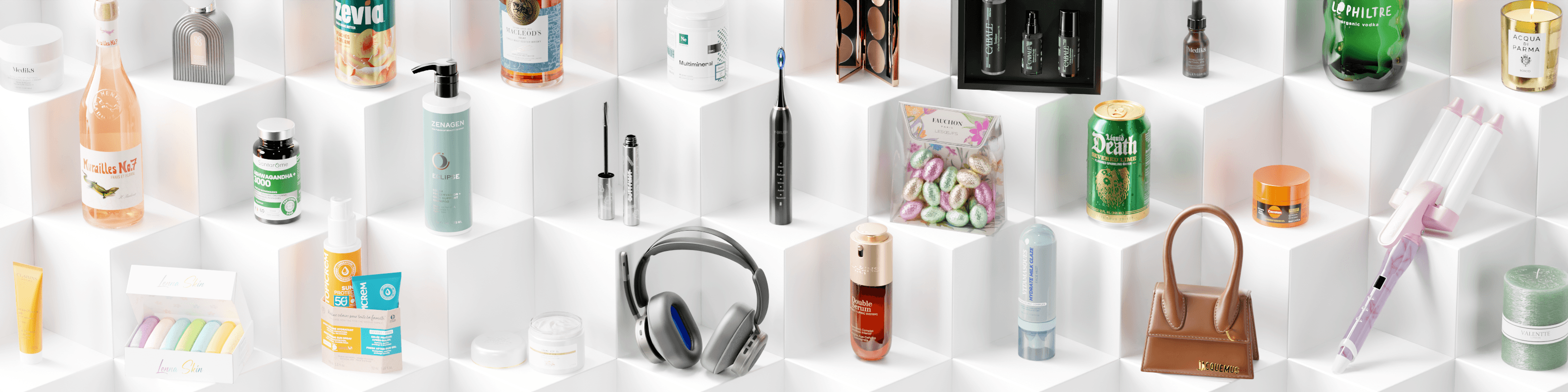
For many brands, this is not theoretical. Across beauty, cosmetics, beverages, and consumer goods:
Digital Twins are already the foundation of product imagery.
At Omi, we see this every day with brands like:
L’Oréal
Estée Lauder
LVMH
Thousands of SKUs. Millions of visuals. One source of truth.
The workflow is no longer: produce images
It becomes: manage product reality at scale
The Next Layer of Visual Production
The unlock is simple: AI scale × 3D accuracy
AI increases speed and volume
3D ensures product truth
Together, they enable:
high-volume
brand-safe
globally consistent
production-ready visuals
The Bottom Line
GenAI alone is not a solution for product imagery. It’s an accelerator.
But it needs a foundation. The Digital Twin is that foundation.
And as AI adoption scales, this layer doesn’t become optional. It becomes required.