L’Oréal : Une nouvelle approche de la production visuelle
Grâce à Omi, L’Oréal produit des visuels à la demande et déploie ses contenus à l’international, sans compromettre la cohérence de marque.
Le défi
Chez L’Oréal, la production visuelle devait suivre le rythme d’un groupe mondial.
Plus de lancements. Plus de canaux. Plus de déclinaisons locales.
Et toujours le même niveau d’exigence.
Les méthodes traditionnelles montraient leurs limites.
Les shootings eCommerce internes étaient complexes à planifier et peu productifs
Les besoins en contenus social media ne cessaient d’augmenter
Les assets de campagne étaient difficiles à adapter d’un marché à l’autre
Les équipes avaient besoin de visuels pour les lancements, les présentations internes et les supports marketing
Les coûts globaux augmentaient
Les marchés locaux demandaient davantage d’autonomie
Chaque marque du portefeuille L’Oréal possède son propre univers créatif.
Maintenir cette diversité tout en produisant à grande échelle devenait un véritable défi.
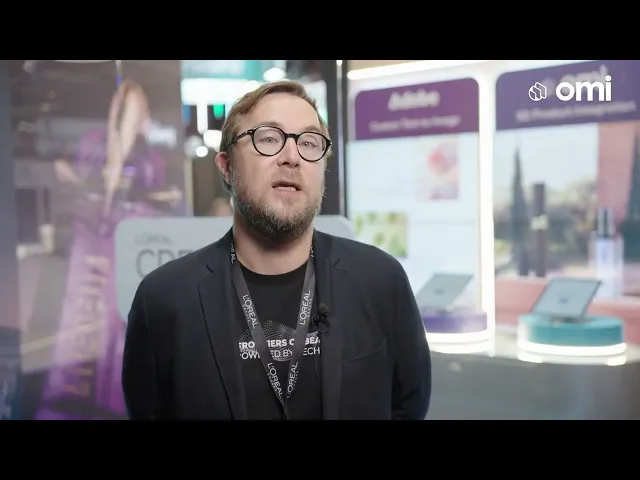
« Nous avons des marques iconiques chez L’Oréal, et elles sont toutes différentes, avec des univers créatifs très distincts. Ce qui compte pour nous, c’est de pouvoir transposer ces univers en ligne tout en garantissant un niveau de qualité conforme à nos attentes. »
— Thomas Alves Machado, GenAI Content Global Director
La solution
L’Oréal a intégré Omi Studio pour transformer sa manière de produire.
Passer d’un modèle centré sur le shooting à un modèle digital, flexible et à la demande.
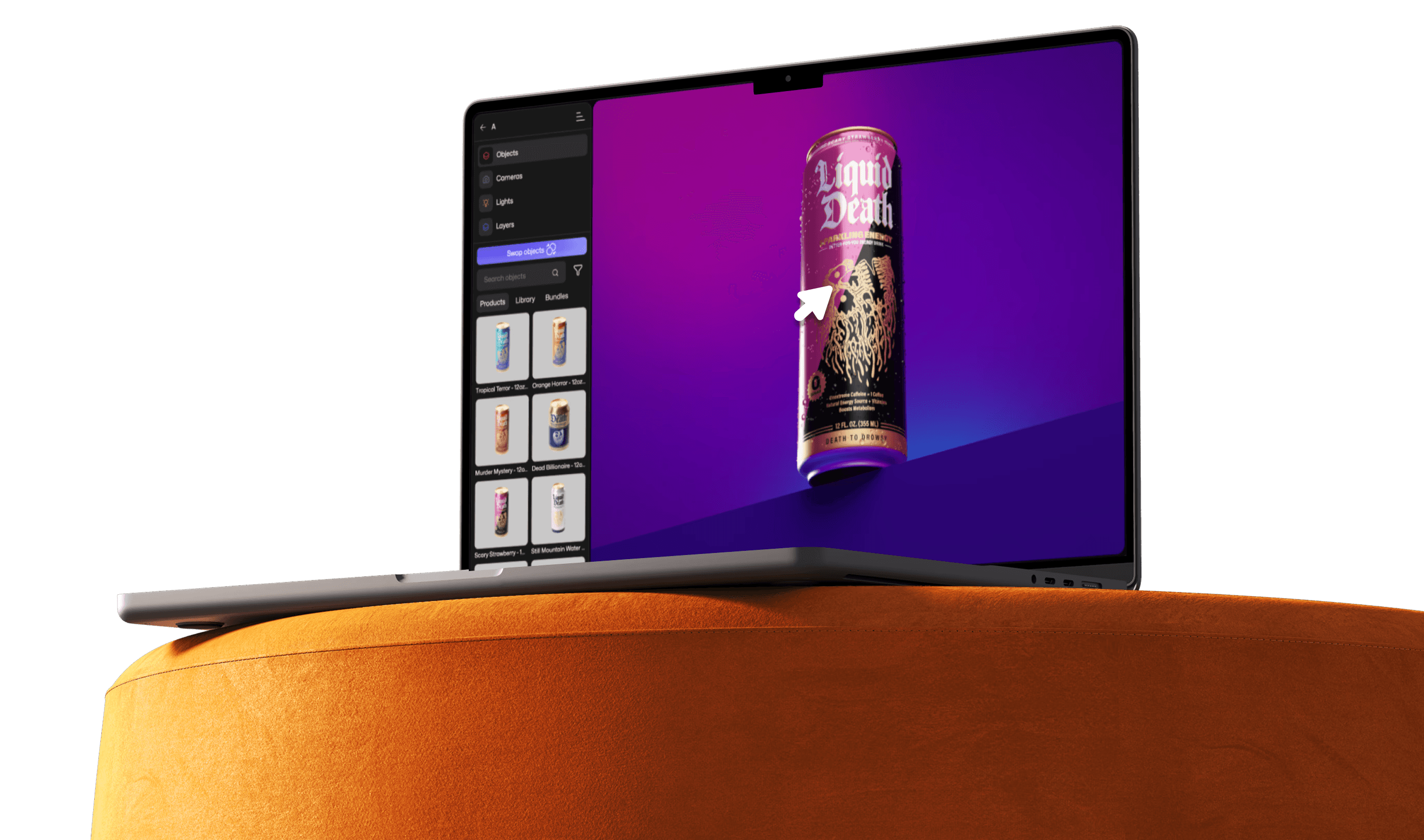
Grâce aux Digital Twins, chaque produit est modélisé en 3D avec une précision photoréaliste : textures, finitions, matières, détails packaging.
« Ce qui est particulièrement intéressant avec Omi, c’est la digitalisation de nos packs produits et la qualité des rendus. C’est essentiel, car cela nous a permis d’intégrer facilement la solution dans nos workflows. »
La production devient simple :
Travail directement en ligne, sans studio
Intégration des produits dans des scènes brandées
Ajustement précis de la lumière et des angles
Export d’images et de vidéos à partir d’un même setup
Application de presets validés pour garantir la cohérence
« Plus de logistique, plus de studio, plus de commande d’accessoires, plus d’équipement. »
Combiner GenAI et précision produit
Les outils de GenAI permettent de créer des environnements puissants.
Mais seuls, ils ne garantissent pas la fidélité produit.
L’Oréal a choisi de combiner Adobe Firefly et Omi :
Firefly pour générer les décors et arrière-plans
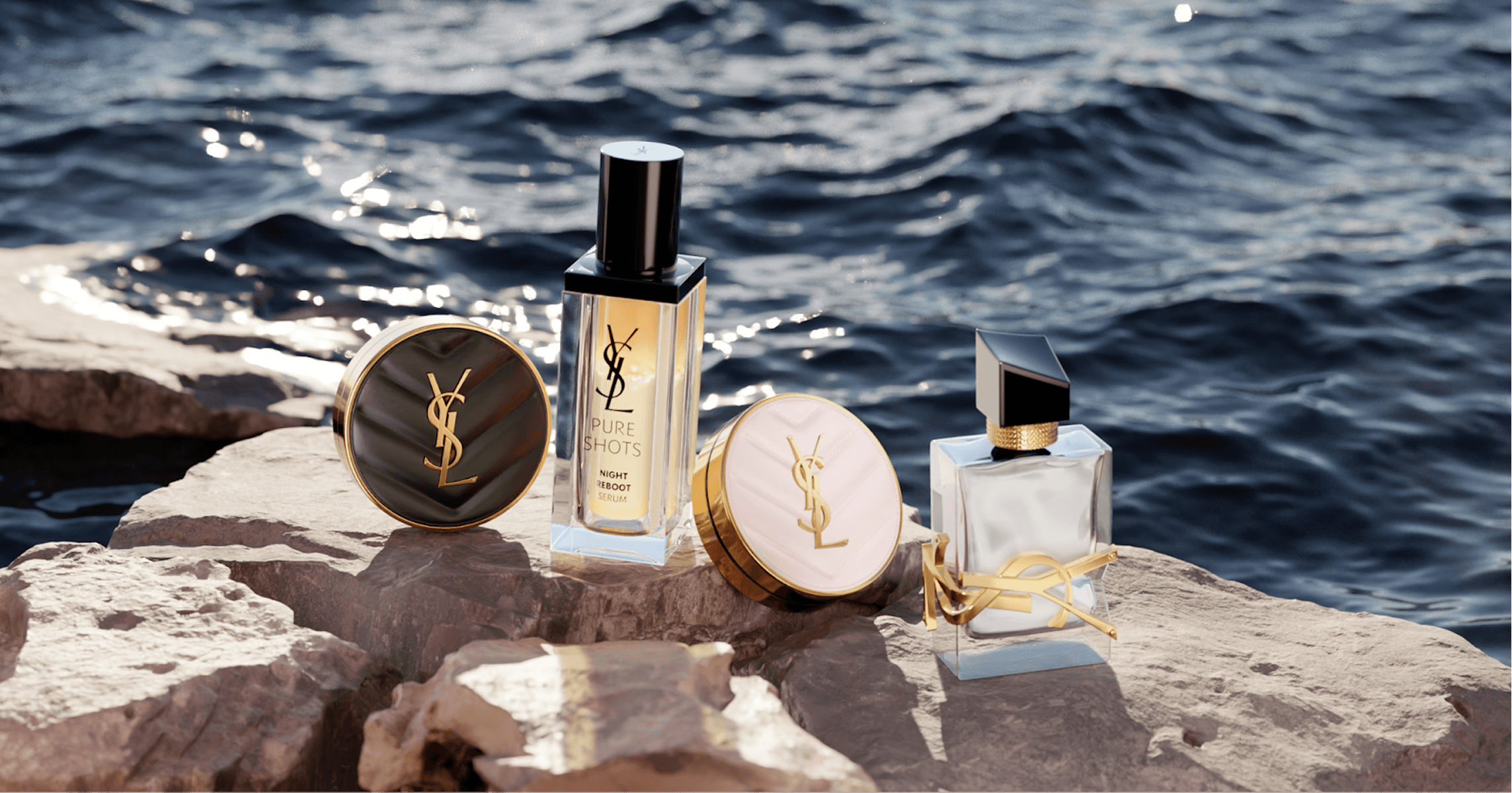
Les Digital Twins Omi pour intégrer des produits parfaitement exacts
Résultat : des variations infinies, alignées à la marque, sans erreur de reproduction.
« Aujourd’hui, avec Omi, nous utilisons des Digital Twins - des rendus 3D de nos produits - sans erreurs de reproduction liées à la GenAI. Ce qui est particulièrement précieux, c’est la possibilité de les combiner avec tous les environnements que nous pouvons créer en GenAI pour nos marques. »

Les résultats
Avec Omi, la production suit enfin le rythme du business.
Capacité à produire à grand volume
Rendus photoréalistes livrés en 2 jours
Designers et créatifs non spécialistes 3D désormais autonomes
Marchés locaux capables d’adapter leurs contenus en toute indépendance
« En seulement deux jours, nous produisons des rendus de haute qualité qui permettent aux équipes locales d’être totalement autonomes dans l’adaptation des contenus. Cela nous permet de fluidifier la production. »
Un nouveau fonctionnement créatif
Autonomie des marchés
Chaque zone peut adapter et déployer ses contenus selon son propre calendrier.
Démocratisation de la production
Les équipes créatives produisent elles-mêmes des visuels premium, sans dépendre d’experts 3D.
« Nous gagnons du temps et simplifions le nombre d’intervenants dans le processus. Nous pouvons désormais travailler avec des designers et créatifs qui ne sont pas experts 3D. Cela démocratise réellement la production de contenu à grande échelle. »
Contrôle total
Positionnement produit, lumière, environnements de marque : tout reste maîtrisé.
Qualité intacte
Des visuels photoréalistes, comparables à une photographie, sans les contraintes du shooting traditionnel.
« Avant tout, Omi délivre des résultats de haute qualité, comparables à une vraie photo. Cela nous permet de créer des contenus beaucoup plus impactants en ligne. »

La suite
Le déploiement d’Omi continue au sein du groupe.
De nouvelles équipes, de nouveaux marchés et de nouvelles entités adoptent progressivement ce modèle.
« Je vois une collaboration forte avec Omi dans la durée. Nous allons travailler avec d’autres activités clés du groupe, de nouvelles zones et de nouveaux pays, afin d’accélérer notre transformation. »