Moët Hennessy : Entrer dans une nouvelle ère de la photo produit
Une base unique de Digital Twins pour les lancements, les PDP et la production créative
Moët Hennessy Wine Estates réunit neuf Maisons, de nombreux lancements de produits et des besoins en contenus qui varient selon les marchés, les canaux et les saisons.
Pourtant, chaque nouvelle bouteille, chaque campagne et chaque adaptation locale reposaient sur le même processus de production : expédition des produits, coordination avec le studio, prise de vue, post-production et multiples validations.
Avec l'augmentation des demandes, ce modèle est rapidement devenu difficile à faire évoluer. Chaque lancement nécessitait plusieurs semaines de préparation, les marchés avaient besoin de leurs propres déclinaisons et les équipes recréaient sans cesse les mêmes produits pour les réseaux sociaux, l'e-commerce et les campagnes marketing.
Avec Omi, Moët Hennessy a transformé l'ensemble de son portefeuille de bouteilles en une bibliothèque de Digital Twins fiables.
Chaque produit peut désormais être réutilisé dans les trois grands workflows qui rythment le quotidien des marques de grande consommation :
Lancements de produits
Activation e-commerce et PDP
Production créative en continu
Résultat : une production trois fois plus rapide, plus de 100 visuels validés en quelques semaines et une façon beaucoup plus cohérente d'activer les neuf Maisons sur tous les marchés.
Le défi
Chaque nouvelle activation relançait tout le processus de production
Pendant des années, Moët Hennessy Wine Estates s'est appuyé sur des shootings photo traditionnels pour produire ses visuels.
Chaque production impliquait :
plusieurs semaines de préparation
l'expédition des produits vers différents marchés
la coordination des équipes et du studio
plusieurs jours de prise de vue
plusieurs semaines de retouche
de nombreux allers-retours de validation
Une fois un shooting terminé pour un marché, un autre demandait souvent un nouveau décor, une version saisonnière ou une adaptation locale. Le cycle repartait alors de zéro.
« Nous devions mobiliser une équipe dédiée et gérer toute la post-production à chaque sortie de nouvelles bouteilles. »
Le problème n'était plus la qualité des images.
Le véritable enjeu consistait à rendre chaque produit prêt pour tous les lancements, tous les marchés et tous les canaux, sans devoir le recréer à chaque fois.
La solution
Un Digital Twin fiable pour chaque bouteille
Moët Hennessy a commencé par créer un Digital Twin fidèle de chacune de ses bouteilles.
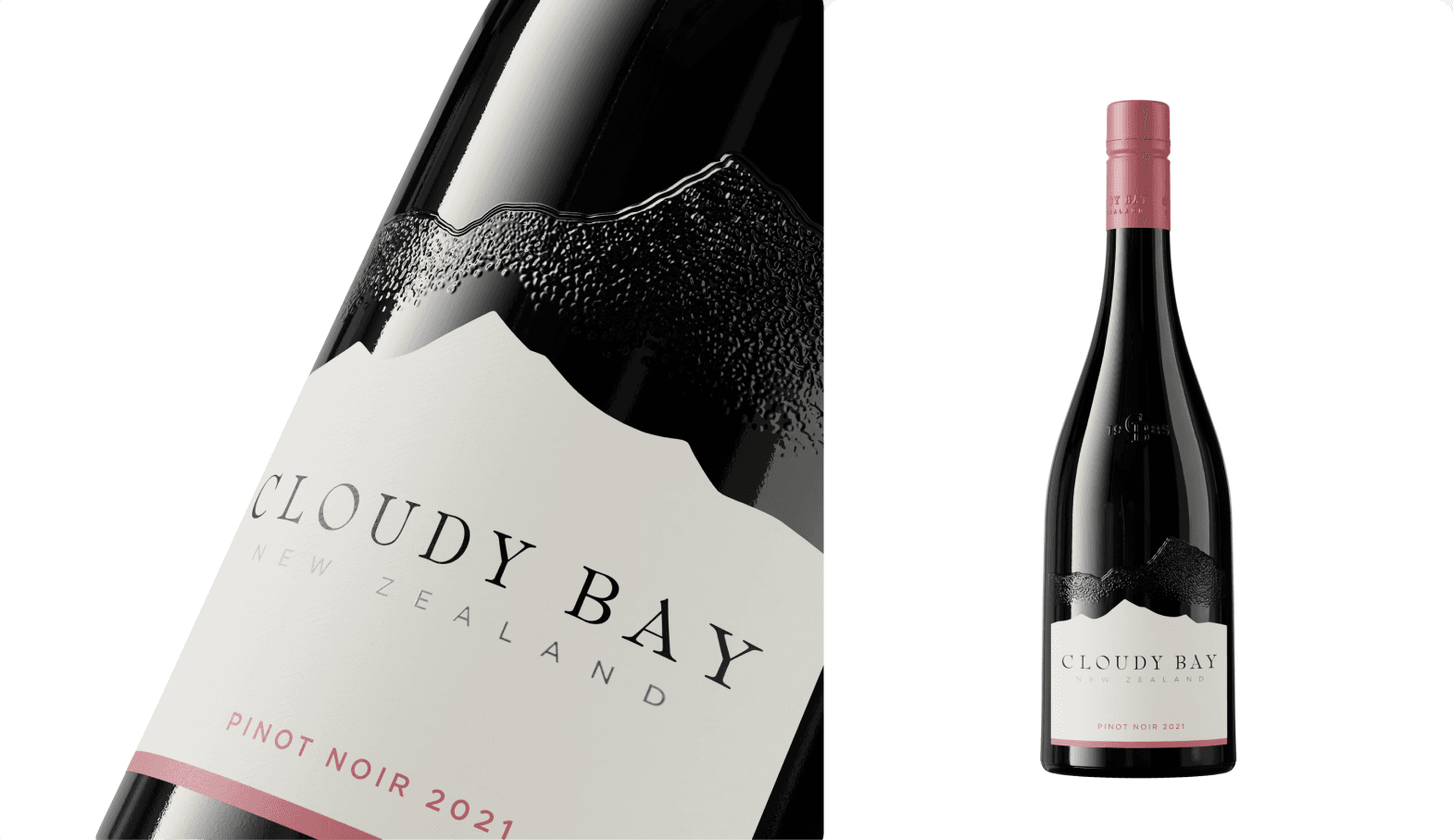
Chaque modèle reproduit avec précision tous les éléments essentiels à la représentation de vins et spiritueux haut de gamme :
la transparence du verre
la réfraction de la lumière
la fidélité des étiquettes
les ombres et les reflets
les proportions et les matériaux
Tous les produits sont ensuite centralisés dans une bibliothèque Omi commune, où les équipes peuvent les réutiliser dans des scènes et des formats déjà validés.
Plutôt que de recréer chaque bouteille pour chaque nouveau livrable, elles conservent un produit identique et ne modifient que son environnement.
1. Lancements produits : Lancer chaque bouteille sans attendre un shooting
Avant Omi, chaque nouveauté nécessitait un nouveau cycle de production.
Les bouteilles devaient être disponibles physiquement, expédiées au bon endroit puis photographiées avant de pouvoir finaliser les supports de lancement. Ce fonctionnement ralentissait les lancements et compliquait la coordination internationale.
Grâce aux Digital Twins, Moët Hennessy peut désormais produire ses contenus avant même que les bouteilles arrivent en magasin.
Un même produit validé sert à créer :
les visuels de lancement internationaux
les adaptations pour chaque marché
les déclinaisons saisonnières
les contenus retail et web
les formats pour les réseaux sociaux et l'e-commerce
Les campagnes sont donc prêtes avant la mise en vente des produits, tandis que les neuf Maisons s'appuient sur une même base de production.
Avec Omi
9 Maisons pilotées depuis une seule plateforme
Des campagnes prêtes avant l'arrivée des produits en magasin
Une production 3 fois plus rapide
Plus de 100 visuels validés en quelques semaines
Moët Hennessy est passé d'un modèle dépendant des shootings à une organisation où chaque bouteille peut être préparée en amont de sa commercialisation.
2. Activation PDP et e-commerce : Garantir des produits fidèles sur tous les marchés et tous les canaux
Les équipes e-commerce ne se limitent pas à produire un packshot.
Chaque marché, chaque distributeur et chaque canal demande ses propres cadrages, fonds, formats et compositions. Jusqu'alors, toutes ces variantes étaient produites séparément, ce qui entraînait des doublons et des écarts de qualité.
Avec un Digital Twin validé, Moët Hennessy génère désormais tous ses visuels e-commerce à partir de la même source produit utilisée pour les lancements et les campagnes.
Les équipes peuvent adapter :
les angles de vue
les arrière-plans
les formats
les ratios d'image
les mises en scène saisonnières
les compositions propres à chaque canal
La bouteille reste parfaitement fidèle, quel que soit son contexte d'utilisation.
Un même environnement permet ainsi de produire les visuels e-commerce destinés à l'Asie, les contenus sociaux pour la France ou encore les campagnes saisonnières pour l'Europe.
Avec Omi
Une seule source produit validée pour l'e-commerce, le web et les réseaux sociaux
Des équipes locales autonomes dans la création de contenus
Des validations simplifiées
Une qualité premium homogène sur tous les marchés
Au lieu de recréer chaque produit pour chaque fiche produit, Moët Hennessy réutilise une seule version fiable partout.
3. Production créative : Produire du contenu toute l'année sans multiplier les shootings
Moët Hennessy doit renouveler régulièrement ses visuels.
Une campagne de Noël nécessite une ambiance hivernale. Un catalogue d'été demande une terrasse baignée de soleil. Une activation locale peut nécessiter une nouvelle composition ou un accord mets-vins différent.
Auparavant, chacune de ces demandes pouvait déclencher un nouveau shooting.
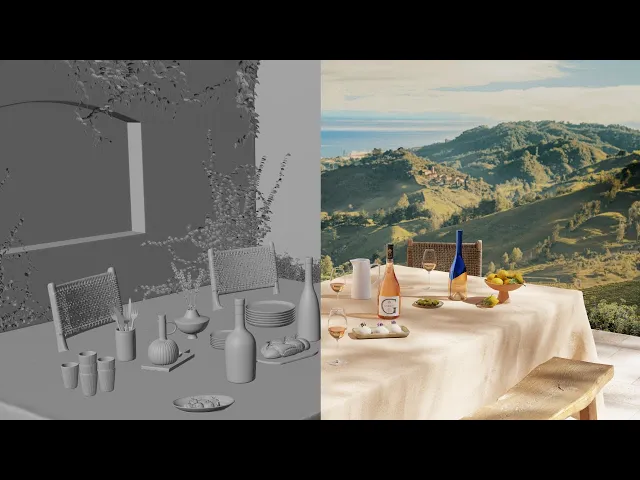
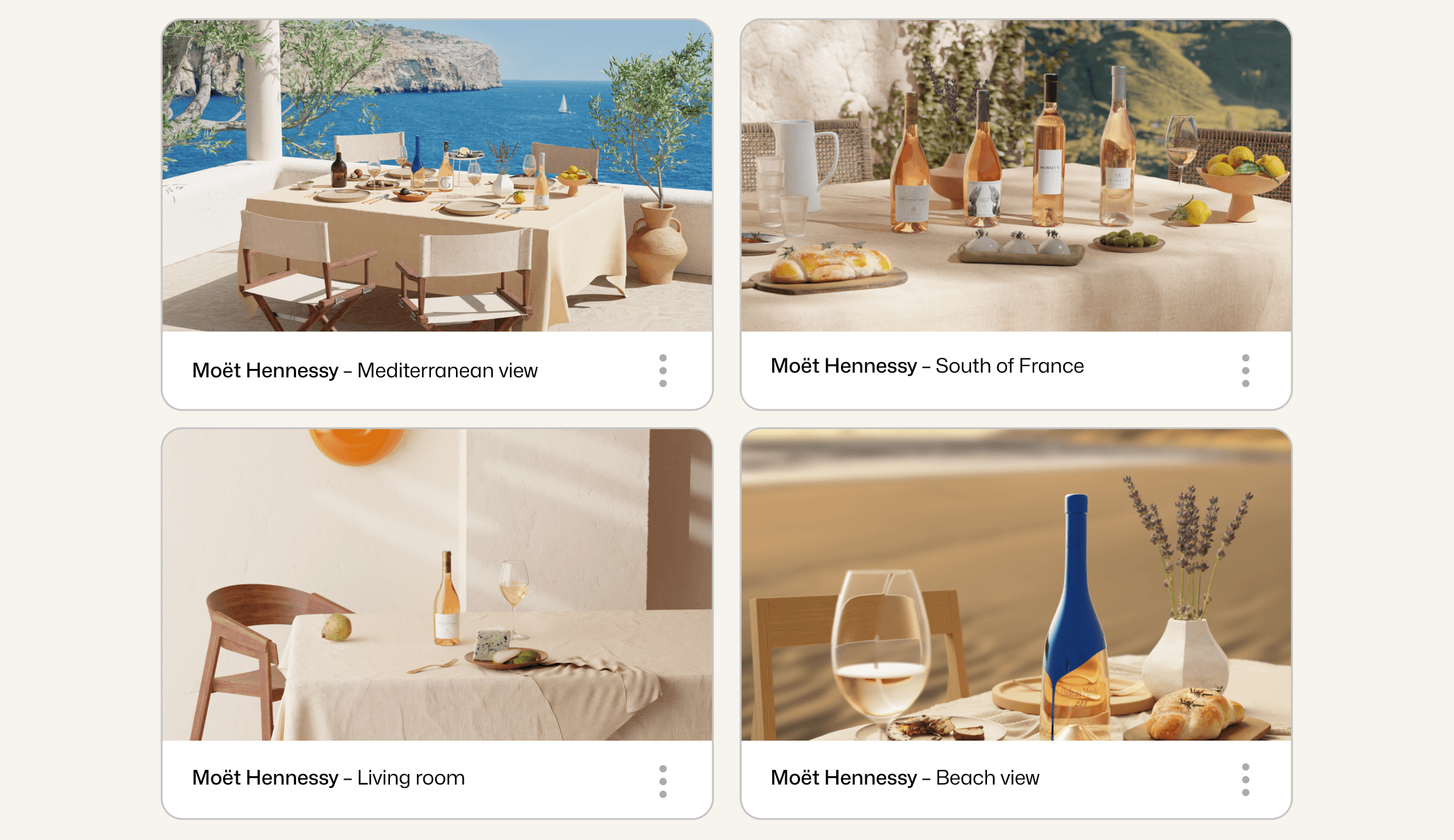
Avec Omi, les équipes ont créé quatre environnements virtuels sur mesure, déjà validés :
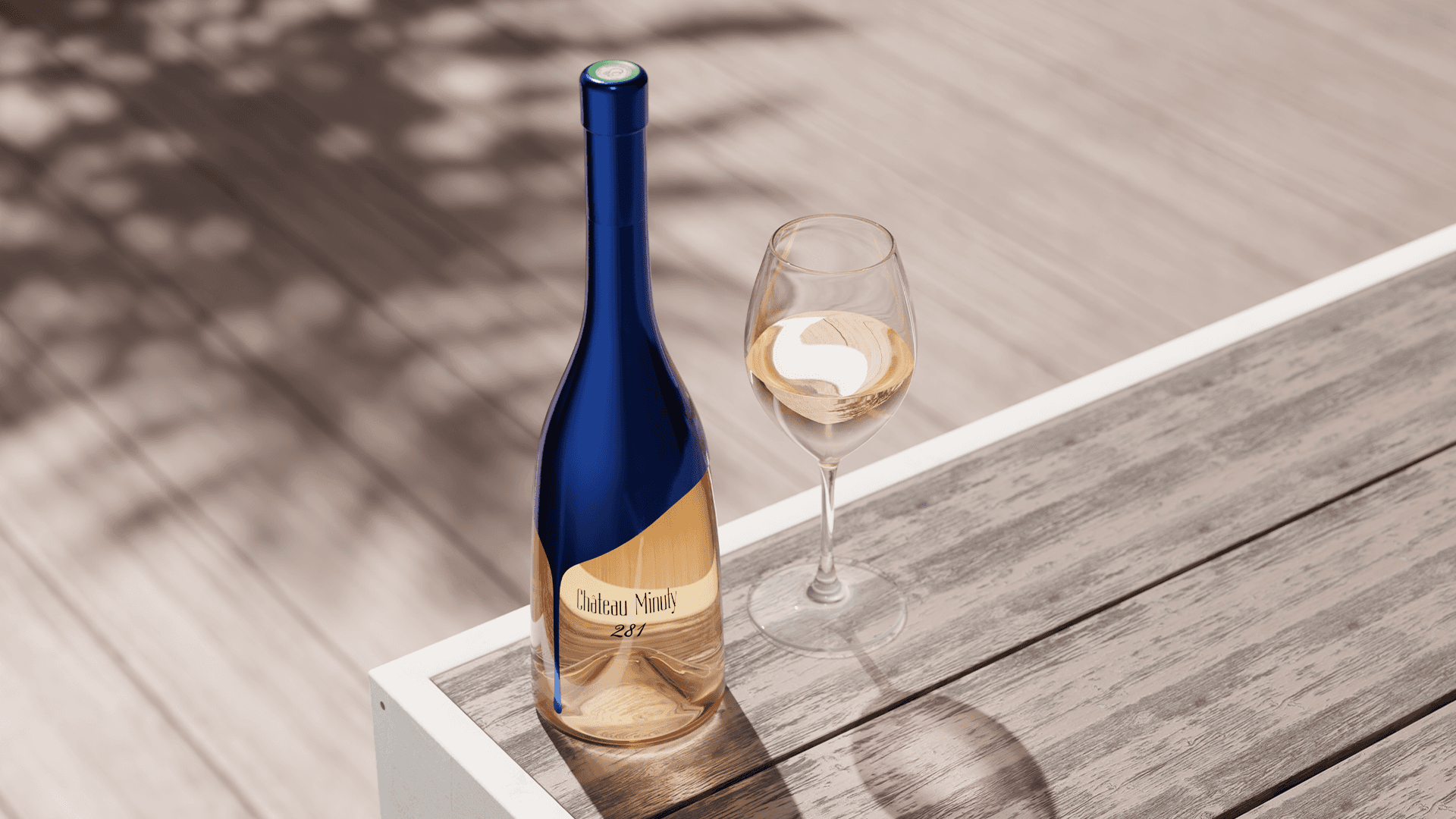
une véranda méditerranéenne baignée de lumière
les collines du sud de la France
une salle à manger au design épuré
une plage à l'atmosphère onirique
L'éclairage, les angles de caméra et les éléments structurels restent verrouillés afin de préserver l'identité visuelle de chaque Maison. Les produits et les accessoires peuvent ensuite évoluer sans relancer un nouveau processus de validation.
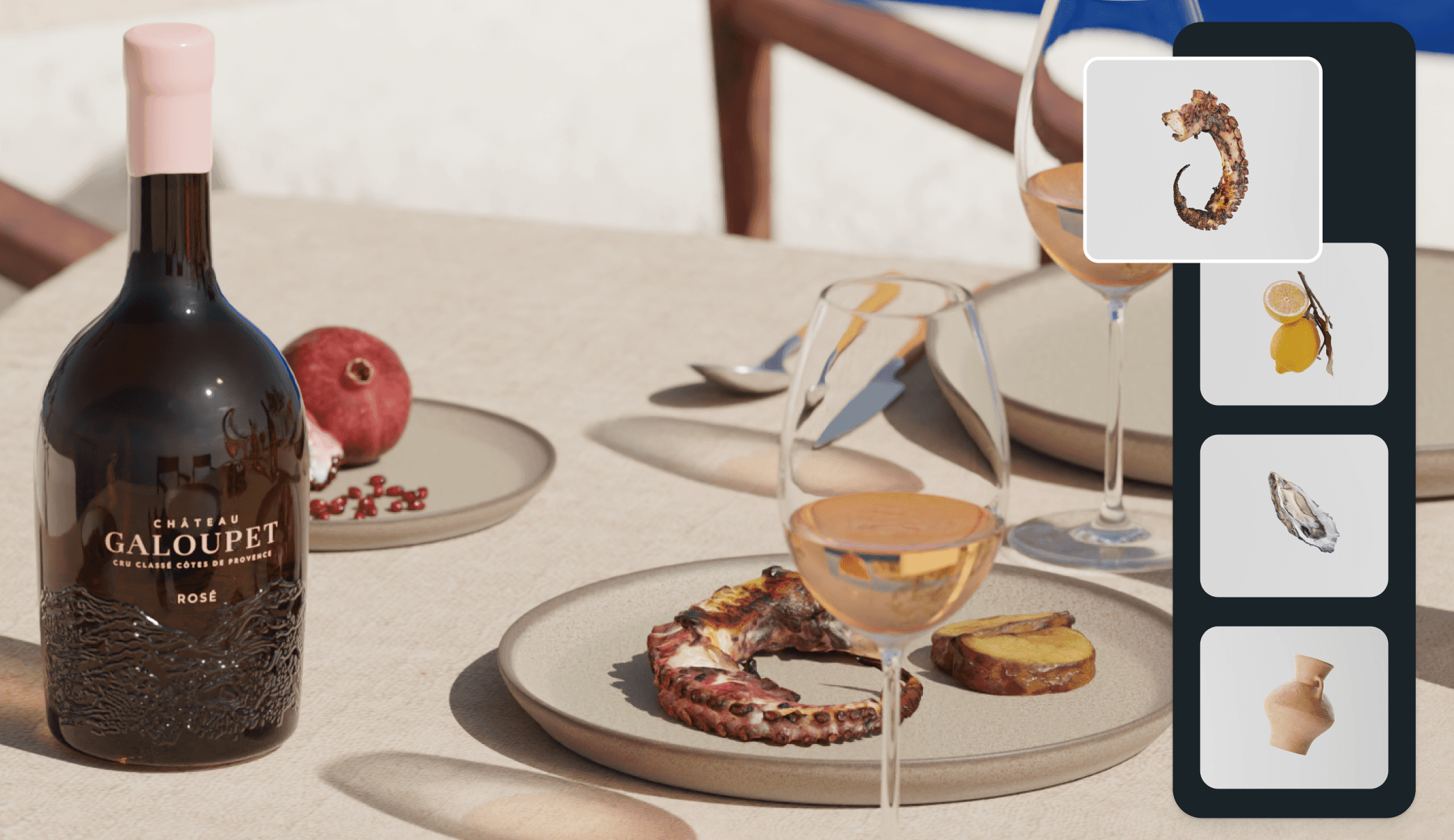
Moët Hennessy a également constitué une bibliothèque d'accessoires 3D personnalisés, comprenant notamment des citrons, des huîtres et des vases en céramique, afin de créer des scènes complètes autour de ses bouteilles.
Avec Omi
Plus de 100 visuels validés en quelques semaines
Une production trois fois plus rapide
Quatre environnements de marque prévalidés
Des équipes locales plus autonomes
Une réduction des coûts liés aux shootings récurrents
Les équipes peuvent désormais produire des campagnes saisonnières, des adaptations locales et des contenus sociaux à partir d'un seul environnement maîtrisé.
Préserver la marque sans ralentir la production
Donner davantage d'autonomie aux équipes peut rapidement créer un risque d'incohérence.
Moët Hennessy a donc placé la gouvernance de la marque au cœur de son dispositif.
Les règles créatives sont définies en amont :
direction de la lumière
angles de prise de vue
accords mets-vins
accessoires autorisés
composition des scènes
codes visuels propres à chaque Maison
Une fois validées, ces règles sont intégrées directement dans les environnements verrouillés.
Les équipes locales gagnent en autonomie tout en travaillant dans un cadre qui garantit le respect des standards premium de chaque marque.
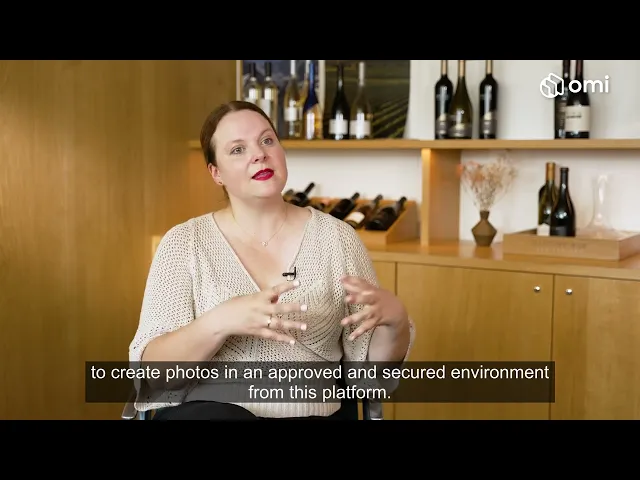
« Nous voulions conserver le contrôle sur les visuels diffusés tout en permettant à nos Maisons et à nos marchés de créer leurs propres contenus dans un environnement sécurisé et validé. »
Les résultats
Des lancements plus rapides
Moët Hennessy prépare désormais ses campagnes avant même l'arrivée des produits en magasin et active les neuf Maisons sans attendre de nouveaux cycles de production.
Une production e-commerce qui passe à l'échelle
Les mêmes assets produits alimentent les besoins e-commerce, web et réseaux sociaux sur tous les marchés tout en garantissant un niveau de qualité homogène.
Une production créative continue
Les équipes ont créé plus de 100 visuels validés en quelques semaines et produisent leurs contenus environ trois fois plus rapidement qu'auparavant.
Des coûts de production réduits
En limitant les shootings, les expéditions, les déplacements et la post-production, Moët Hennessy réduit significativement les coûts liés aux nouveaux lancements.

De la photographie produit à la disponibilité produit
Moët Hennessy ne s'est pas contenté de remplacer une méthode de production par une autre.
L'entreprise a créé une base numérique réutilisable pour chacune de ses bouteilles.
Un seul Digital Twin peut désormais servir à :
préparer le prochain lancement
mettre à jour les fiches produits
créer une nouvelle campagne saisonnière
répondre à une demande locale
produire de nouveaux formats créatifs
Neuf Maisons.
De nombreux marchés.
Tous les canaux.
Une seule source produit validée, prête à être utilisée dès que les équipes en ont besoin.
Chaque produit. Prêt à lancer.
Créez un Digital Twin fiable, puis générez tous les visuels nécessaires à vos lancements, à vos fiches produits et à votre production créative, sans repartir de zéro.
Chaque SKU mérite son Digital Twin.
Créez votre Digital Twin et générez vos visuels en quelques minutes.